524 W 4th St, Suite B, Perris, CA 92570
Mon-Fri 9AM-7PM · Sat 9AM-1PM · Sun Closed (951) 355-0030

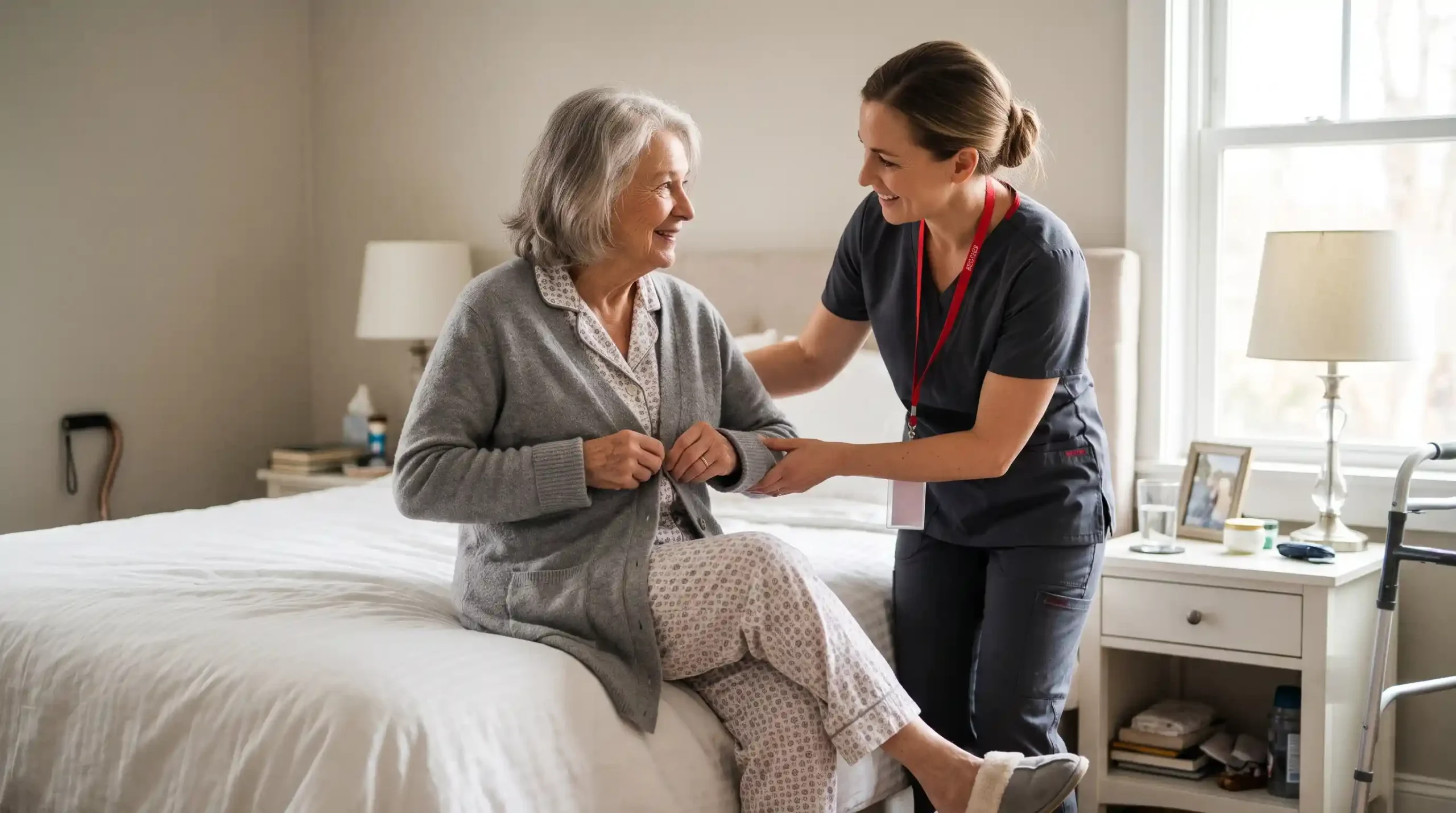
Personal Care Assistants (PCAs) help people with everyday activities such as bathing, dressing, preparing meals, and moving around the home. They support seniors, adults with disabilities, and people recovering from illness. Their help can make daily routines easier while allowing clients to stay as independent as possible.
A PCA usually provides non-medical support. Duties depend on the client’s needs, care plan, training, and local rules.
A Personal Care Assistant helps someone manage daily living activities. These activities are often called Activities of Daily Living (ADLs). They include bathing, dressing, eating, using the toilet, and moving from one place to another.
Some PCAs also prepare meals, wash dishes, do laundry, offer companionship, and remind clients about daily routines.
Most PCAs work in clients’ homes, although some work in assisted living or other care settings. They help with approved daily tasks and report concerns to the appropriate family member, supervisor, or healthcare professional.
A PCA’s daily responsibilities can change based on the person receiving care. One client may need help with bathing and dressing. Another may need support with meals, walking, and household routines. Common personal care assistant duties include:
A PCA may help a client prepare for a bath or shower, wash, dry, and complete basic hygiene tasks. They may set out clean towels, soap, shampoo, and fresh clothes. They can also help with tasks such as brushing teeth or washing the face, when included in the care plan.
Personal hygiene is private. A good PCA explains each step, asks permission, protects the client’s privacy, and allows them to do what they can safely manage.
Some people find it hard to put on clothes because of pain, limited movement, weakness, or other physical challenges. A PCA may help them choose suitable clothing, put on shirts and trousers, fasten buttons, or manage shoes and socks.
Basic grooming may include brushing or combing hair, shaving when appropriate, and helping with other everyday routines. The PCA should respect the client’s preferences, culture, and personal style. They should not rush the person. Allowing enough time can help the client participate in the process.
A PCA may offer support when a client gets out of bed, stands up from a chair, walks through the home, or moves between rooms. They may help the person use a cane, walker, or wheelchair if this is part of the care plan and within their training.
A PCA may clear walkways, keep common items within reach, and report hazards such as loose rugs or poor lighting. They should not attempt transfers or lifting tasks beyond their training and should contact the care team if more support is needed.
Meal preparation is another common part of in-home personal care. A PCA may prepare simple meals and snacks, serve food, wash dishes, and follow written meal instructions. They can also help keep a regular meal schedule and encourage the client to drink enough water when appropriate.
Some clients need help opening containers, cutting food, or setting up a meal. A PCA may provide this support when it is included in the care plan. They should follow any dietary guidance provided by the client, family, or healthcare professional. If the client has trouble swallowing, often refuses food, or shows a sudden change in appetite, the PCA should report it rather than make medical decisions.
A person with limited mobility may need help getting to and from the bathroom. Depending on the assigned duties and training, a PCA may assist with clothing, hygiene, and changing incontinence products.
This type of support should always be handled with respect. The PCA should protect the client’s privacy, explain each step, and keep supplies ready. They should also report concerns such as unusual discomfort, skin changes, or a sudden change in bathroom habits to the appropriate person. They should not diagnose the cause of these changes.
A PCA may complete light household tasks that support the client’s daily comfort. These tasks can include making the bed, washing dishes, wiping kitchen counters, folding clothes, doing laundry, and keeping shared areas tidy.
The focus is on tasks connected to the client’s daily needs. It is not usually a full house-cleaning service. Families should discuss household duties before care begins so everyone understands what is included. Keeping walkways clear and everyday items in their usual places can also make the home easier for the client to use.
Personal care is not only about physical tasks. A PCA may spend time talking with a client, playing a board game, reading, listening to music, or taking part in a favorite hobby. They may also accompany the client on an approved outing or short walk, if this is safe and included in the care plan.
Conversation and social contact can help clients feel connected. A PCA should listen, show patience, and respect the person’s choices. Companionship does not replace professional mental health care.
Some care arrangements allow a PCA to remind a client when it is time for scheduled medication. A reminder is not the same as choosing a medication, changing a dose, or managing a medication schedule. What a PCA may do depends on their training, authorization, employer policy, care plan, and applicable rules.
PCAs may also notice and report changes in a client’s usual routine. These may include changes in appetite, mood, movement, sleep, or general comfort. They should share concerns with the designated family member, supervisor, or healthcare professional. They should not diagnose a condition or make treatment decisions.
The day depends on the client’s needs and care plan. A morning visit may include getting out of bed, washing, dressing, breakfast, and preparing for an appointment.
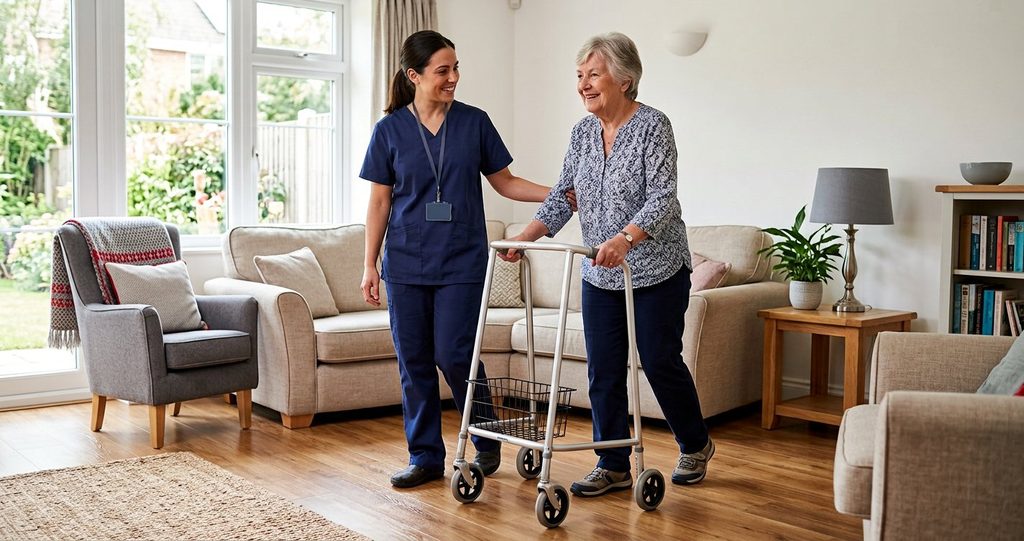
In the afternoon, the PCA may prepare lunch, support walking, do laundry, or share a hobby. An evening visit may include dinner and help with the bedtime routine. Visits may last a short time or several hours, depending on the agreed schedule.
Personal care assistance may help people who find everyday activities difficult. It is not limited to older adults. Support may be useful for:
The amount of support will vary. One person may need help with only a few tasks each week. Another may need daily visits. A conversation about the person’s routine, abilities, and preferences can help identify the right level of assistance.
A PCA can make daily life more manageable for clients and their families. The main benefits depend on the support provided, but may include:
The right support can help a person manage daily activities with greater comfort and dignity.
PCAs mainly provide non-medical support. They are not a replacement for doctors, nurses, or other licensed healthcare professionals. Their duties must stay within their training, authorization, employer policies, care plan, and applicable California rules.
Before care starts, families should ask the provider to explain which tasks are included and which tasks are outside the service. This helps prevent confusion and keeps the care arrangement clear.
| Role | Main focus | Common support | Training/scope |
| Personal Care Assistant | Non-medical personal care | Bathing, dressing, meals, mobility | Varies by employer and state rules |
| Caregiver | General daily support | Daily tasks and companionship | May be informal or agency-trained |
| Home Health Aide | Personal care and certain health-related tasks | Personal care under a healthcare professional’s direction | Training and requirements depend on state rules |
These terms are sometimes used similarly, but they don’t always mean the same thing. A Personal Care Assistant usually focuses on non-medical personal care and daily living tasks. Caregiver is a broader term. It may describe a family member, a private helper, or an agency worker. A Home Health Aide may provide personal care and certain health-related support under the direction of a healthcare professional, depending on training and state requirements.
The table below gives a general comparison. Actual duties and qualifications can vary by employer and care setting.

It may be time to consider a PCA when someone regularly struggles with bathing, dressing, walking, preparing meals, or keeping up with household routines. You may also want to consider support if a person has started avoiding daily activities because they are difficult to complete alone.
A PCA may be helpful when family members cannot provide regular assistance or when someone needs temporary non-medical support while recovering from an illness or surgery. It can also help when a person wants to remain at home but needs support with specific daily tasks.
Before speaking with a provider, list the activities that need support, how often help is needed, and any safety concerns.
Choosing a PCA is an important decision because the worker may help with private daily activities. Take time to discuss the person’s needs and ask clear questions before services begin.
Involve the person receiving care. Discuss their preferences, routines, and comfort level. A suitable PCA communicates clearly, respects privacy, and encourages independence.
People in Perris may need help with daily activities or care from a licensed healthcare professional. These are different services. Non-medical personal care focuses on bathing, grooming, meals, mobility, and light household tasks. Clinical home care may involve qualified healthcare professionals.
Perris Clinic offers Urgent Care, Primary Care, Home Care, and Immigration Physicals. Families can contact the clinic to ask which home care services are currently available and whether they match the person’s needs. Do not assume that every personal care task is included in a home care service.
To learn more, visit the Perris Clinic Home Care page or call (951) 355-0030. The clinic can discuss its available services and help families understand the next steps.
A PCA may help with bathing, dressing, grooming, meals, mobility, light housekeeping, and companionship. Duties depend on the client’s needs, care plan, training, and applicable rules.
Yes. Bathing and basic hygiene support are common PCA duties. The assistant should explain each step, protect the client’s privacy, and encourage them to do what they can independently.
A PCA may provide medication reminders when allowed by their training, care plan, employer policy, and applicable rules. Medication administration and management have separate requirements.
A PCA usually focuses on personal care and daily living tasks. A caregiver is a broader term that may refer to a family member or a paid worker who supports another person’s daily needs.
Hours depend on the client’s needs and the care arrangement. Some PCAs work short daily visits, while others provide support for longer shifts. The schedule should be agreed upon with the provider.
Some eligible California residents may receive in-home support through the In-Home Supportive Services (IHSS) program. Eligibility and approved hours depend on program requirements and a county assessment. Perris residents can contact Riverside County social services for local guidance.
